What Happened to Fun Cameras?
Smartphone cameras have become incredibly capable. They can capture detailed photos, record high-resolution video, and apply computational photography techniques that would have seemed impossible a decade ago.
Yet many people still miss the experience of carrying a dedicated camera.
Not because their phones take poor photos, but because a dedicated camera changes how you approach photography. It encourages you to go looking for pictures rather than simply documenting whatever happens to be in front of you.
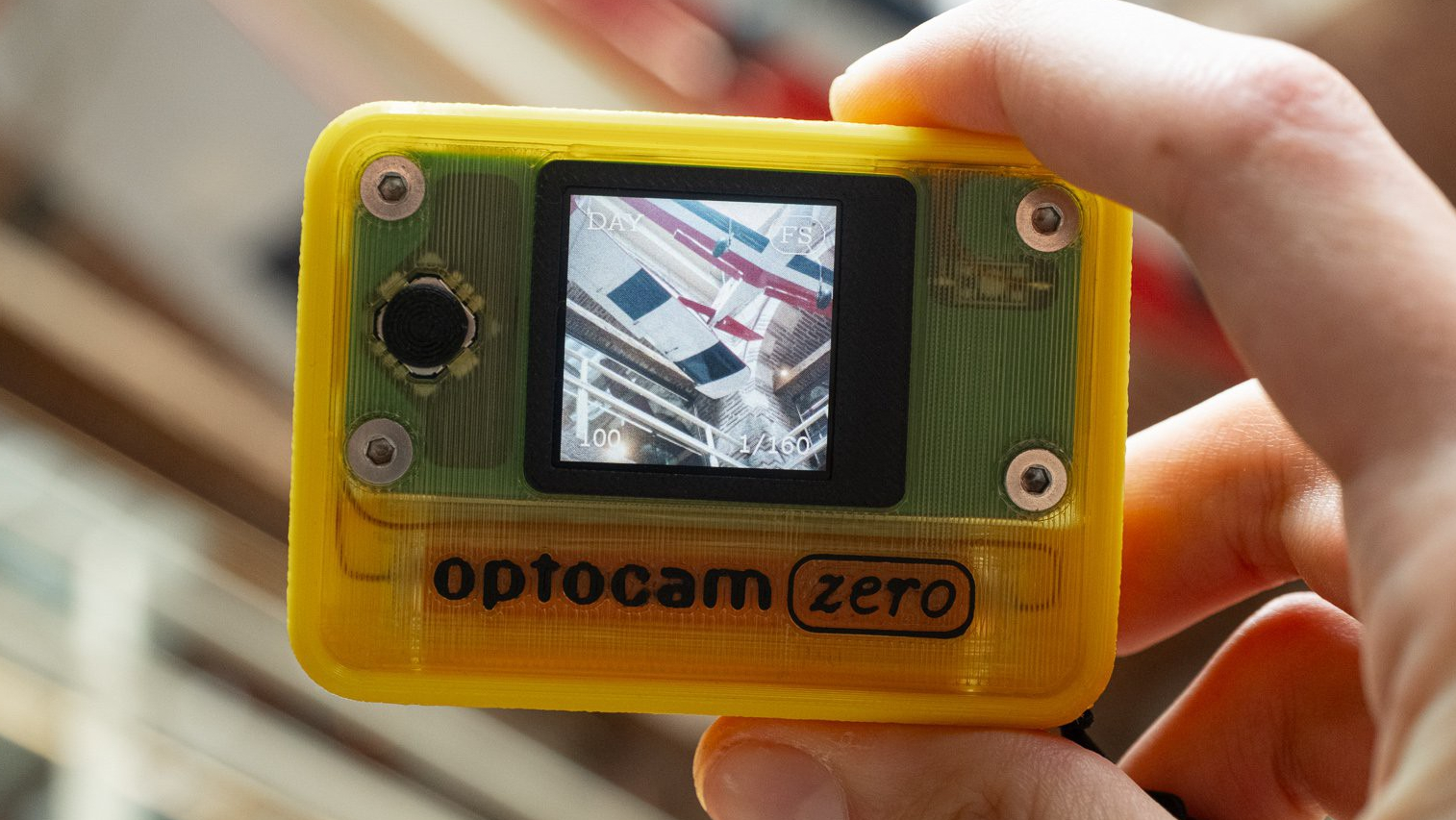
That's the idea behind Optocam Zero, an open-source digital camera created by Doruk Kumkumoğlu and built around the Raspberry Pi Zero 2 W.
A Camera Built From Familiar Parts
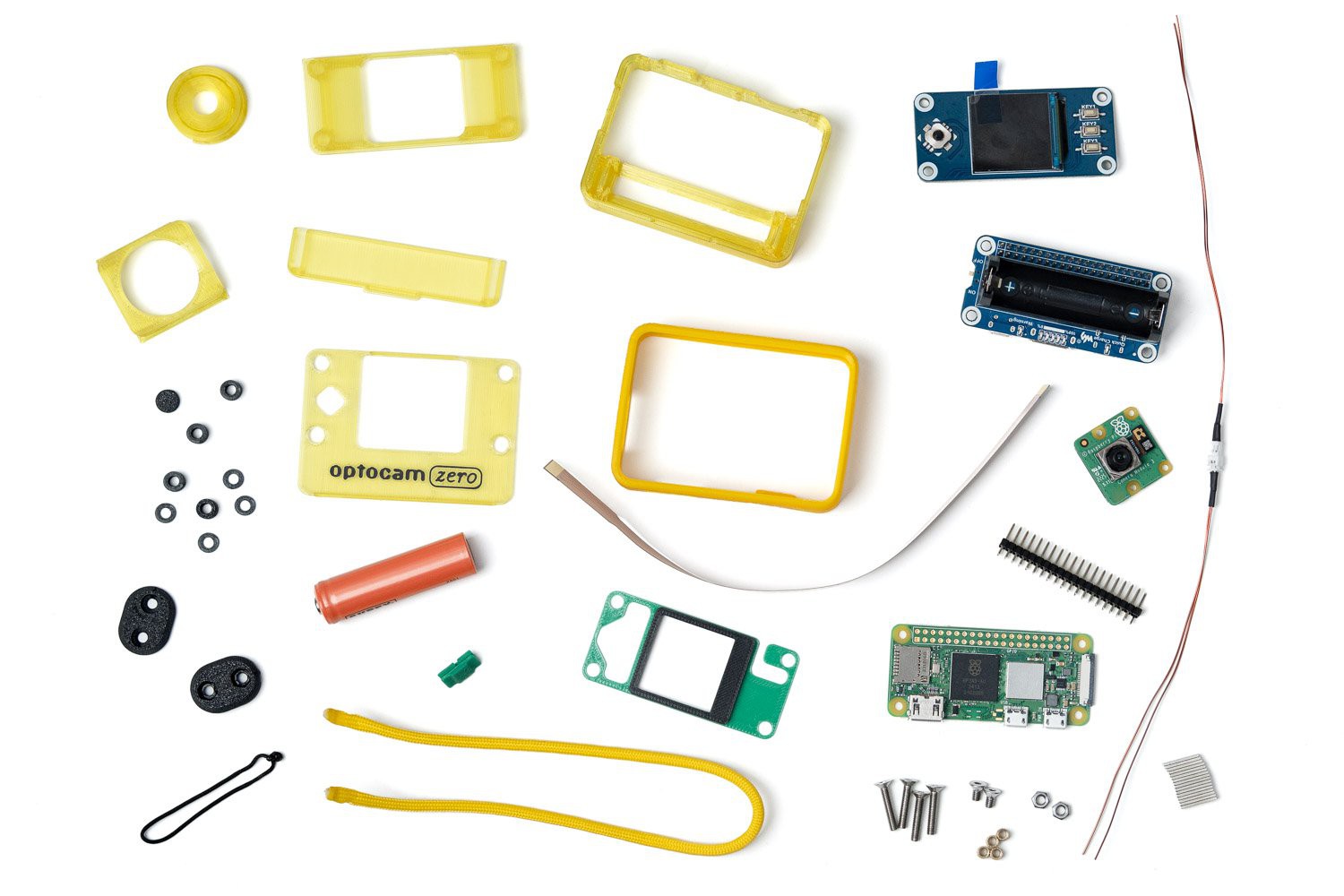
Rather than designing custom electronics from scratch, Kumkumoğlu based the project on widely available hardware. The camera uses a Raspberry Pi Zero 2 W, an autofocus camera module, a 1.4-inch LCD display, and a collection of readily available off-the-shelf components.
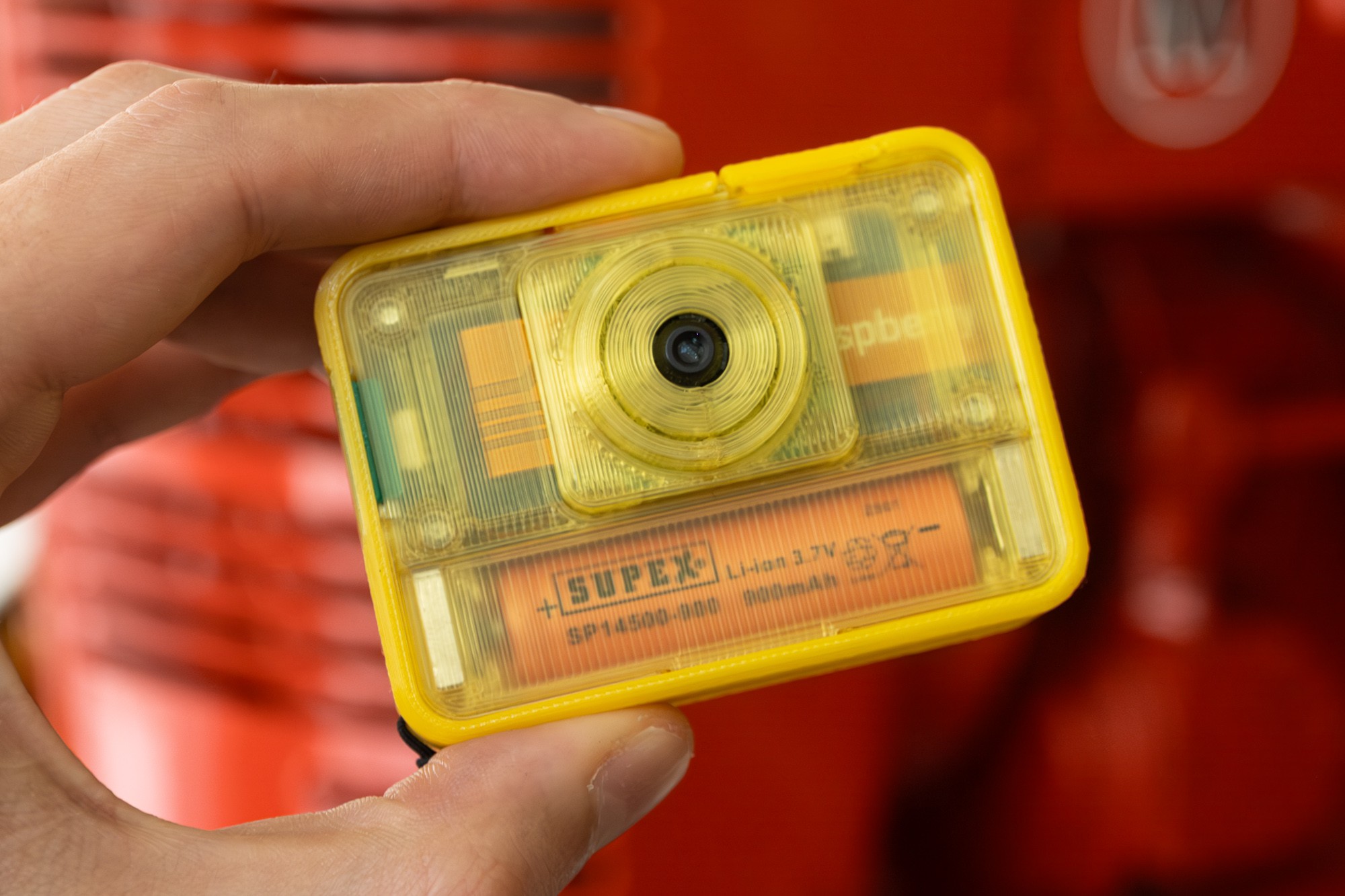
The enclosure is fully 3D printable, making it possible for makers to build, modify, and customize the design without requiring specialized manufacturing techniques.
The camera measures 51 × 71 × 18 mm, excluding the camera and display protrusions. The goal was to create something small enough to carry every day while remaining simple to assemble and repair.
That philosophy extends throughout the project. The GitHub repository includes a bill of materials and printable case files, and there is also a detailed assembly guide that walks builders through every stage of construction.
Inspired by Toy Cameras
Kumkumoğlu cites toy cameras such as the Kodak Charmera as inspiration for the project. Rather than chasing professional photography features, Optocam Zero focuses on being enjoyable to use.
The camera captures 2592 × 2592 pixel JPEG images and includes eight built-in photo filters. A live preview runs on the LCD display at approximately 15 to 20 frames per second, allowing users to frame shots before pressing the shutter button.
One particularly useful feature is the image transfer system. Instead of requiring cables or memory card readers, the camera creates its own hotspot interface that can be accessed from mobile devices and desktop computers for transferring photos.
The software also supports GIF recording and playback, giving users another way to experiment with the camera.
Built for Makers
Looking through the build guide, it's clear this isn't intended as a beginner soldering project.
Assembly involves modifying commercially available boards, shortening header pins, routing ribbon cables through a tightly packed enclosure, and carefully stacking multiple circuit boards together. The guide contains dozens of steps and numerous opportunities to test hardware before final assembly.
At the same time, the project avoids many of the obstacles associated with custom electronics. Builders aren't required to order proprietary PCBs or source unusual components. Most of the hardware can be purchased from common suppliers.
That makes the project considerably more approachable than many DIY camera designs.
More Than Another Raspberry Pi Project
The Raspberry Pi community has produced countless cameras over the years, but many of them focus on technical experimentation rather than everyday use.
Optocam Zero takes a different approach. The emphasis is on creating a camera that people might actually carry around, pull from a pocket, and use regularly.
It may not compete with modern smartphones on image quality, battery life, or convenience. That isn't really the point. Optocam Zero is about building a camera that feels personal, repairable, and fun to use.
For makers who have been looking for an excuse to build a camera of their own, this project offers a solid place to start.